It’s remarkable how much can shift in just a month. When I was preparing last month’s classes, I was thinking a lot about change, grasping, and resistance. Now I find myself feeling something quite different.
As I prepare for my final two weeks of teaching in Prague, I am unexpectedly overcome by a sense of abundance. Perhaps this is what happens when you spend a month preparing for a move. There is the practical inventory of drawers, cupboards, and bookshelves, deciding what comes with you and what gets left behind. But there is also a deeper kind of inventory that happens when you begin packing up a chapter of your life.
Looking back on my time here, I am struck by just how much I have been given. Not in terms of possessions or achievements, but the incredible wealth of experiences, friendships, challenges, and opportunities of growth.
The longer I sit with it, the more I realize how easy it is to overlook these things while we’re busy chasing whatever comes next, or just busy in general.
Because, despite living in a world of extraordinary abundance, most of us (often the ones with access to the most material abundance of all) have become remarkably skilled at focusing on what we lack. There never seems to be enough time, money, certainty, opportunity, success, pleasure, or whatever it is we’re after at the moment. Even when life is objectively full, there is often an irksome voice suggesting that fulfillment exists somewhere just beyond the horizon.
Naturally, I’ve noticed this tendency in myself many times. Whether it’s something as simple as impatiently striving to get to the end of the day’s to-do list or questioning broader decisions about lifestyle and finances, there have been moments of doubt or comparison where I was essentially blinded to the richness of the life I was already living. Looking back, some of the periods of my life I now remember most fondly were the very same periods during which I felt uncertain, impatient, or convinced that something important was missing.
It’s a strange paradox, this ability to recognize abundance only once it has become a memory.
Of course, it doesn’t have to be like that, and June feels like the ideal setting for an invitation to interrupt that habit.
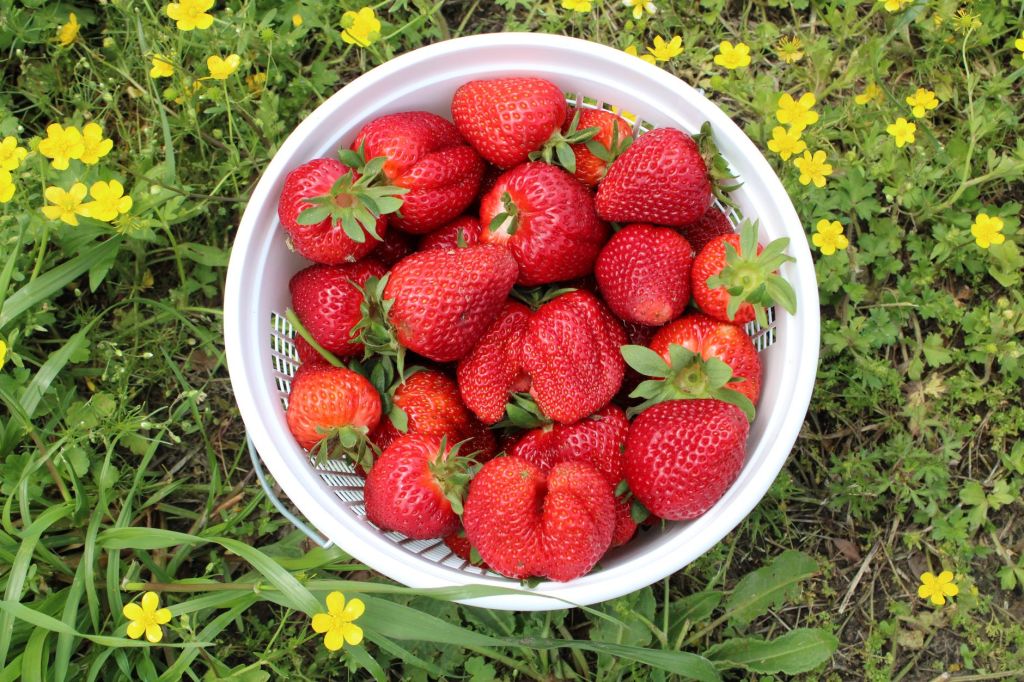
The natural world certainly seems to understand something that we often forget. Around the summer solstice, everything appears to be expressing itself fully. Nature offers abundance on all fronts and participates in it without restraint or apology.
Yoga helps me remember that I am part of that same living process. Again and again, it invites me to meet life with a little more openness, appreciation, and joy.
It’s important to note that this doesn’t mean ignoring difficulty, pain, or injustice. Quite the opposite. The practice asks us to meet reality exactly as it is, in its constant flux of unpredictability. Yet somehow, in doing so, it reveals just how much is already available to us.
When most of us first begin practicing yoga, it is mostly about the physical postures. But over time, the practice begins to reveal deeper layers. A single posture can teach us patience, resilience, humility, courage, acceptance, concentration, and trust. The breath becomes a tool for regulating the nervous system and steadying the mind. Moments of stillness become opportunities to observe the stories we tell ourselves and the habits through which we experience the world.
How abundant is that? What other practice offers so much through such simple means?
Even the aspects of yoga we explore most often in these classes contain enough depth to sustain a lifetime of learning. Through asana, we develop strength, mobility, awareness, and a more intimate relationship with ourselves. Through pranayama, we learn to work skillfully with energy and cultivate steadiness amid change. Through meditation and focused attention, we strengthen our ability to be present in our lives rather than constantly rehearsing the future or revisiting the past.
The yogic and Vedantic traditions often point to the idea of pūrṇatā, an innate sense of wholeness and completeness. From this perspective, abundance is not something we must acquire but something we learn to recognize.
That idea can be easy to misunderstand. It doesn’t mean we stop wanting things or that external circumstances suddenly become irrelevant. Material security matters, so do relationships and opportunities.
But none of those things, on their own, guarantee a sense of wholeness.
We’ve all encountered examples of people who appear to have everything and yet seem unable to enjoy any of it. We’ve also met people whose lives are far from perfect and who nevertheless radiate gratitude, presence, and joy.
The difference often lies less in what they possess than in how they relate to what is already here.
This is where abundance and joy become deeply connected.
Joy is not the result of everything going our way. It is not permanent happiness or endless positivity. Joy emerges when we become available to our lives and when we stop postponing our appreciation until some future condition has been met.
I love how Tara Brach, a psychologist, author, and proponent of Buddhist meditation, puts it: “When we put down the idea of what life should be like, we are free to wholeheartedly say yes to our life as it is.”
There is tremendous freedom in that.
Because so much of our suffering comes from arguing with reality, we become attached to an imagined version of life and then feel disappointed when the real thing refuses to cooperate.
The practice of yoga offers a different invitation. Again and again, it asks us to meet the moment we are actually in. The body we actually have. The breath that is actually moving through us.
And from that place, something remarkable begins to happen. We stop seeing ourselves as lacking, and we start seeing ourselves as alive. That shift has implications far beyond the yoga mat.
A scarcity mindset tells us there isn’t enough to go around. Not enough success, recognition, or happiness. It encourages comparison, competition, jealousy, and fear. Social media often amplifies these tendencies, constantly inviting us to measure our lives against carefully curated versions of other people’s realities.
But those uncomfortable moments can also become valuable teachers.
Whenever I find myself feeling triggered by someone else’s achievement, I try to get curious. Why does this matter to me? What does this reaction reveal about my own values, desires, or insecurities?
In fact, those feelings point toward something I genuinely wish to cultivate in my own life. And perhaps the most beautiful lesson abundance has to offer is that we don’t cultivate those qualities by withholding them.
We cultivate them by sharing them.
If we want encouragement, we can encourage others.
If we want support, we can offer support.
If we want connection, we can create connection.
Empowered people empower people.
The things we most long to receive often expand when we give them away.
As I prepare to leave Prague and begin whatever awaits in Portugal, this feels like the lesson I want to carry forward. There are still uncertainties, unanswered questions, and plenty of things I hope to create in the years ahead.
But there is also more than enough. More than enough reason to celebrate this strange and wonderful experience of being alive.
So for these final weeks, my invitation is simple: take stock. Notice what is already flourishing. Notice what this practice has given you. Notice what you have to offer the people around you.
And if there is something you wish to receive from life, consider giving it first.


Leave a Reply